 Reviews



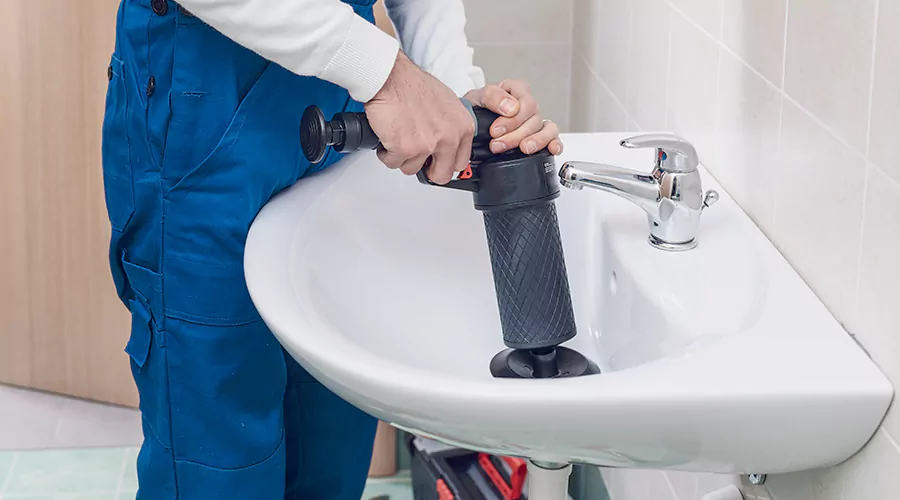
A bathroom sink is usually clogged by hair and soap residue caught around the pop-up stopper or inside the P-trap. Many minor clogs can be cleared in under one hour with less than $25 in DIY supplies, while professional drain clearing costs about $250 in 2026. If the clog is related to a damaged or faulty component, sink repair may also be needed.
The best place to start is the stopper. Bathroom sinks collect hair and toothpaste close to the drain opening, which means the blockage is often easier to reach than a deeper kitchen or sewer clog.
Move deeper only when cleaning the stopper does not restore normal flow.
What Usually Clogs a Bathroom Sink?
Bathroom sink clogs usually form when hair catches around the pop-up stopper and combines with soap residue. Toothpaste and grooming products can add more buildup. Hard-water minerals can also narrow the drain surface over time and make it easier for new debris to collect.
- Hair is especially troublesome because strands wrap around moving drain parts.
- Soap residue then coats the hair.
- The obstruction becomes thicker after repeated sink use.
The supplied term bathroom sink clogged describes the later stage when this buildup starts restricting normal water flow. A blockage near the stopper often responds to simple manual cleaning.
How Does a Bathroom Sink Clog Get Worse?
A bathroom sink clog normally develops in stages. Water first takes a few extra seconds to leave. Later the basin begins holding a shallow puddle. A complete blockage forms when the remaining drain opening becomes too small to carry normal faucet flow.
| Stage | What You Notice | Likely Condition | Typical 2026 Cost |
|---|---|---|---|
| Early | Slightly slow drainage | Hair near stopper | Often DIY |
| Partial | Water pools briefly | Growing buildup | Up to $25 DIY |
| Heavy | Standing water | Trap or deeper clog | Around $250 professional |
| Wider issue | Other drains react | Branch drain problem | Can cost more |
DIY bathroom sink unclogging supplies can cost up to $25. Professional clearing is around $250 on average in 2026. Treating the slow-drain stage is easier because less material has collected.
What Are the Signs of a Clogged Bathroom Sink?
A clogged bathroom sink usually changes gradually rather than stopping without warning. Drain speed gives the clearest clue. Odor can also appear when hair or grooming residue remains wet inside the drain for long periods.
- Water takes more than a minute to drain. A restriction has formed.
- Water pools while brushing your teeth. The drain cannot match faucet flow.
- Hair is wrapped around the stopper. The clog may be close to the surface.
- The sink makes gurgling sounds. Air is moving through a smaller opening.
- A bad smell develops. Organic material may be sitting inside the drain.
- The stopper moves poorly. Hair can interfere with its pivot mechanism.
- The sink clears slowly after the faucet stops. A partial opening still exists.
- Plunging works only briefly. Material may remain inside the trap.
- The P-trap fills with debris repeatedly. Buildup is returning.
- Another drain becomes slow. The restriction may extend farther downstream.
A problem limited to one bathroom sink is more likely to be near that fixture.
How Do You Check the Pop-Up Stopper?
The pop-up stopper is the first component to inspect because bathroom sink hair often wraps around its lower stem. Removing the stopper can expose a clog immediately. Some stoppers lift out while others connect to a pivot rod beneath the basin.
- Try lifting the stopper first.
- If it does not come free, look beneath the sink.
- Find the horizontal pivot rod entering the drain tailpiece.
- Place a bucket below the connection.
- Loosen the retaining nut.
- Pull the pivot rod back carefully.
- Lift the stopper out from above.
- Remove the hair wrapped around the stopper.
The supplied keyword pop up sink drain fits this common bathroom-sink assembly. Clean the stopper before reinstalling it.
Can You Pull the Clog Out Without Taking Pipes Apart?
Yes. A flexible plastic drain strip can reach hair several inches below the drain opening. This is often enough when the obstruction sits beneath the stopper but above the P-trap. Mechanical extraction removes the actual material rather than opening only a narrow path through it.
- Insert the plastic strip slowly.
- Rotate it slightly.
- Pull upward.
- Place removed hair in the trash.
- Repeat from another angle.
- Run warm water afterward.
Do not push captured debris farther down the drain. A small plastic tool is useful because it bends around sink-drain parts without requiring pipe removal.
How Do You Plunge a Bathroom Sink?
A sink plunger can dislodge a clog when the stopper area is already clean. The overflow opening needs to be sealed because pressure can escape through it. Keep a few inches of water in the basin so the plunger can form a strong seal.
- Remove the stopper.
- Cover the overflow opening with a wet cloth.
- Add enough water to cover the plunger rim.
- Center the cup over the drain.
- Push and pull for about 20 to 30 seconds.
- Keep the cup sealed.
- Lift the plunger.
- Watch the drainage speed.
This method works best on a soft obstruction located close to the fixture. If nothing changes, inspect the P-trap next.
How Do You Clean the P-Trap?
The P-trap is the curved pipe beneath the sink that holds water to block sewer gas. It can also collect hair or soap residue. Removing it gives direct access to a common blockage point when stopper cleaning and plunging have failed.
- Place a bucket underneath.
- Loosen the slip nuts.
- Support the trap with one hand.
- Remove it carefully.
- Empty its contents into the bucket.
- Clean the inside.
- Check the washers.
- Reinstall the trap.
- Hand-tighten the connections.
- Then run water and inspect the joints.
A bathroom sink normally uses a 1 1/4-inch P-trap. Replacement PVC parts can cost about $5 to $50.
When Should You Use a Drain Snake?
Use a manual drain snake when the stopper and P-trap are clear but the sink still drains poorly. The cable can enter the branch pipe after the trap is removed. This gives better access to a blockage farther inside the wall-side drain.
- Feed the cable slowly.
- Turn the handle as it advances.
- Stop when resistance increases.
- Rotate the cable.
- Pull it back slightly.
- Advance again.
- Retract the cable slowly.
- Clean debris from the end.
The supplied term bathroom sink drain pipe fits this deeper drain section. Do not force the cable when resistance never changes. A bend in the pipe can feel similar to a blockage.
Should You Use Chemical Drain Cleaner?
Chemical drain cleaner should not be the first method for a bathroom sink because hair can often be removed mechanically. Chemicals can also remain inside standing water and make later trap removal or snaking more hazardous. Current plumbing guidance commonly recommends starting with physical removal.
- Never mix drain chemicals.
- Do not combine drain opener with bleach.
- Avoid opening the P-trap when unknown chemicals are inside.
- Wear eye protection when chemical liquid is present.
Mechanical removal gives you direct evidence that the clog has actually left the drain. A small opening created through a hair mass may close again quickly.
How Can You Test Whether the Sink Is Clear?
A properly cleared bathroom sink should handle normal faucet flow without creating an expanding pool. Test for at least one minute because a partial clog can accept a small amount of water while failing under sustained flow.
- Reinstall the stopper.
- Run water slowly.
- Watch the drain.
- Increase the flow.
- Continue for about one minute.
- Close the stopper.
- Fill the basin partway.
- Release the water.
- The basin should empty quickly.
- Check beneath the sink afterward.
A good unclogging job should not create a new P-trap leak.
When Should You Call a Professional?
Professional help makes sense when cleaning the stopper and P-trap does not restore drainage. It is also appropriate when a hand snake cannot reach the obstruction or several fixtures become slow. Those symptoms can point toward a blockage beyond the bathroom sink branch.
Professional drain cleaning costs $147 to $352 in 2026 with an average near $246. Bathroom sink unclogging is commonly around $250.
Professional diagnosis is reasonable when:
- Several drains become slow.
- Wastewater returns through the sink.
- The P-trap is clear.
- A hand snake cannot restore flow.
- The clog returns within days.
- Drain piping begins leaking.
A deeper branch-line blockage requires longer equipment than many household drain snakes provide.
How Can You Prevent Another Bathroom Sink Clog?
The best prevention is keeping hair from collecting around the stopper. Clean visible residue before drainage slows. Regular inspection takes a few minutes and reduces the amount of material that can reach the P-trap.
- Pull hair from the stopper weekly.
- Wipe toothpaste from the basin before rinsing.
- Clean the drain opening regularly.
- Watch for slower water.
- Remove early buildup.
- Avoid washing small grooming items into the drain.
Preventive care costs little compared with a professional drain-cleaning visit.
Conclusion
To unclog a bathroom sink, start with the pop-up stopper because hair often collects there first. Remove reachable debris before plunging. Clean the P-trap if the sink remains slow and use a hand snake for a deeper blockage. If several drains become slow or the obstruction repeatedly returns, professional diagnosis may be appropriate. This week, remove the stopper and clear any hair before drainage begins slowing.
Frequently Asked Questions
Why does my bathroom sink keep clogging?
Hair and soap residue may still remain around the stopper or farther inside the drain. Recurring clogs can also point toward deeper buildup.
Can toothpaste clog a bathroom sink?
Toothpaste can contribute to sticky residue inside a drain. Hair usually provides the material that catches the buildup.
Can I use a kitchen plunger on a bathroom sink?
A small flat cup plunger can work if it forms a complete seal around the bathroom drain.
Why is the sink still slow after cleaning the stopper?
The clog may be inside the P-trap or farther into the wall-side drain.
Can a bathroom sink clog cause odor?
Yes. Hair and organic residue can stay wet inside a restricted drain and create unpleasant smells.